Specialized Vehicles for Disaster Response

Disasters can strike at any moment, and when they do, efficient and effective response efforts are crucial. While emergency responders and volunteers play a vital role in disaster management, specialized vehicles also play a key role in providing quick and effective aid to those in need. These specialized vehicles are designed to navigate through the toughest of terrain and provide essential supplies and support to people affected by disasters. In this article, we’ll delve into the world of specialized vehicles for disaster response and explore the different types of vehicles that are used in these critical situations.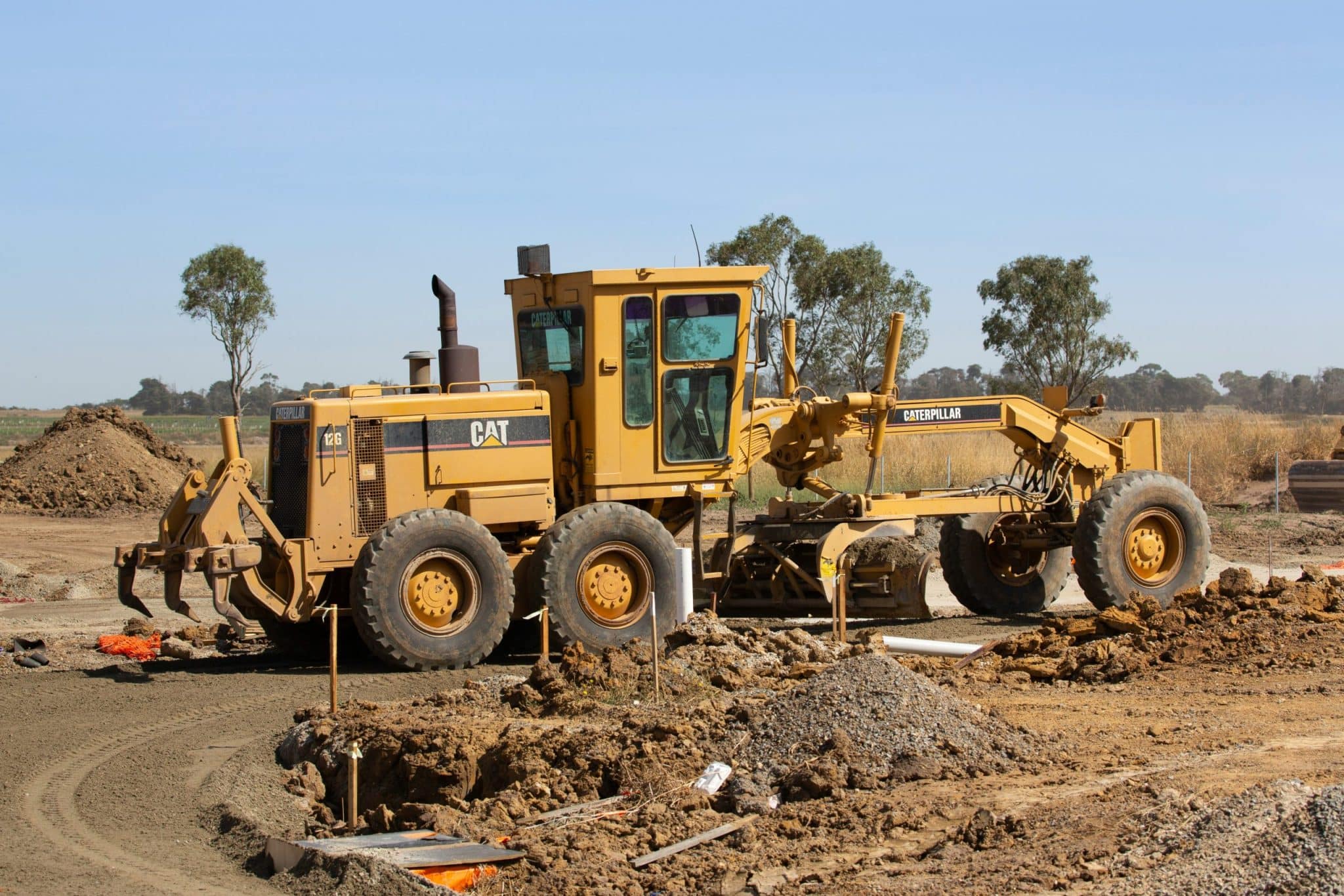
The Importance of Specialized Vehicles for Disaster Response
Disasters come in many forms, from hurricanes and tornadoes to earthquakes and wildfires. They can cause widespread damage, disrupt essential services like electricity and water, and leave people without basic necessities like food and shelter. In such situations, specialized vehicles play a crucial role in providing immediate assistance to those in need. These vehicles are equipped with specialized features and equipment that enable them to navigate through damaged roads and reach remote areas, ensuring that help reaches those who need it the most.
Rapid Response Vehicles
Rapid response vehicles are designed to provide quick and efficient support in disaster situations. They are versatile and can be used for a range of tasks, from search and rescue to transportation of supplies. These vehicles are equipped with heavy-duty tires and powerful engines that can maneuver through debris and rugged terrain. They are also equipped with GPS systems, communication devices, and first aid kits, making them a vital asset in disaster response efforts.
Amphibious Vehicles
When disasters strike in coastal areas or regions with a high risk of flooding, amphibious vehicles come to the rescue. These vehicles are designed to navigate through water and rough terrains, making them suitable for flood response and search and rescue missions. They can be an invaluable asset in situations where traditional vehicles are unable to access affected areas due to large bodies of water or other obstacles.
Aerial Vehicles
In situations where roads are impassable, and ground vehicles are unable to reach remote areas, aerial vehicles can provide essential support. These vehicles include helicopters and drones that can survey the affected areas, gather critical information, and deliver supplies and aid to people in need. Thanks to their aerial view, these vehicles can cover a large area quickly, making them a valuable asset in disaster response efforts.
Innovative Solutions for Disaster Response
The use of specialized vehicles in disaster response is continually evolving, with companies constantly developing new and innovative solutions to address specific challenges. For instance, disaster response organizations have started using electric-powered vehicles, reducing their reliance on traditional fuel sources and minimizing their environmental impact. Furthermore, autonomous vehicles are being tested for their potential use in disaster situations, with the ability to navigate through dangerous conditions without putting human lives at risk.
The Role of Google in Disaster Response
Google has also been playing a significant role in disaster response efforts through its Crisis Response Team. The team works closely with organizations like the Red Cross to provide essential information and resources during disaster situations. Through initiatives like Google Crisis Maps, which provide real-time updates on active disasters, Google is helping to facilitate more effective and efficient response efforts.
Conclusion
In times of disaster, specialized vehicles are an essential asset in providing timely and effective emergency assistance. From navigating through debris and rough terrains to delivering critical supplies to remote areas, these vehicles play a crucial role in disaster response efforts. With technology continuously advancing, we can expect to see even more innovative and effective solutions in the future, making disaster response efforts more efficient and saving more lives.